Understanding Sub-Slab Depressurization for Radon Mitigation
How Radon Gets Into a Home
Radon is a colorless, odorless gas that comes from the natural breakdown of uranium in soil and rock. It moves up through the ground and can enter a building through cracks in the foundation, gaps around pipes, or any opening where the concrete slab meets the walls. Once inside, it can accumulate to levels that pose a health risk. The only way to know the radon level in a home is to test for it. If the test shows a high concentration, the next step is figuring out how to reduce it.
There are several approaches to radon mitigation, but one method has become a standard in the industry: active soil depressurization. The idea is simple: create a pressure difference that keeps soil gases from being drawn into the living space. Instead, those gases are captured below the slab and vented safely above the roof. The most common version of this approach is sub-slab depressurization, a system that works with the existing foundation rather than requiring major structural changes.
What Sub-Slab Depressurization Does
A sub-slab depressurization system relies on a few key components. A suction pit is created by excavating a small cavity beneath the concrete slab, typically near the foundation wall or in a utility area. This pit accesses the gravel bed or soil underneath. A pipe runs from that pit up through the slab to a radon fan installed in the attic or outside the home. The fan pulls air from below the slab, creating negative pressure that prevents radon from seeping through cracks. The gas is then pushed up through the pipe and discharged above the roof line, far from windows and doors.
For the system to work effectively, the slab needs to be reasonably well sealed. Any large gaps or cracks can "short-circuit" the suction, allowing the fan to pull air from inside the house instead of from the soil. That is why a membrane seal or a quality caulking job around the perimeter and at pipe penetrations is often part of the installation. Without a good seal, the system may still reduce radon levels, but it will not perform as efficiently as it should.
Key Parts of the System
You do not need to be a contractor to understand what goes into a sub-slab depressurization setup. Here are the core pieces:
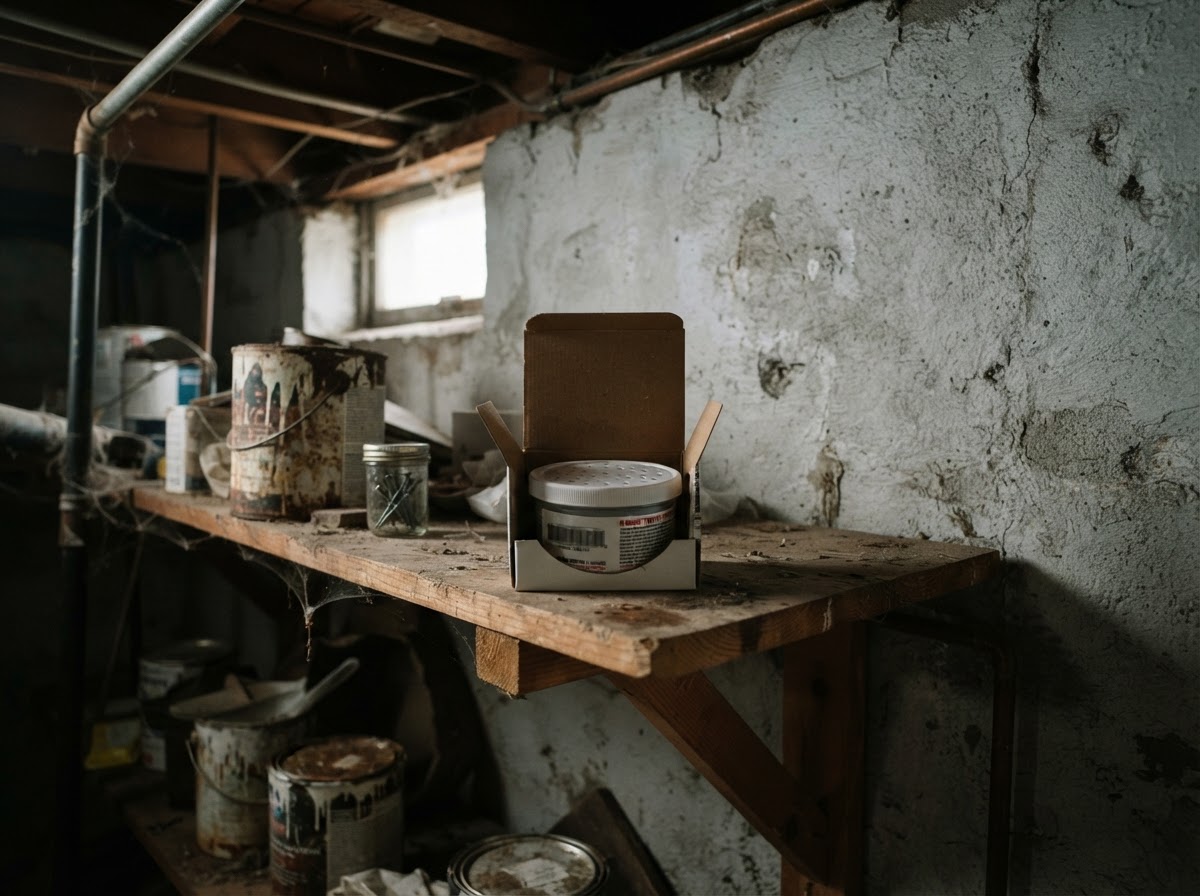
- Suction pit. A small hole dug through the slab to expose the gravel or soil below. This is where the negative pressure starts.
- Vertical pipe. Runs from the suction pit up through the building to the fan location. PVC pipe is typical because it is durable and easy to seal.
- Radon fan. A special in-line fan designed to run continuously for years. It creates the airflow that keeps radon from entering the home.
- Manometer. A U-tube gauge that shows whether the fan is running and the system is maintaining the right pressure. A quick glance tells you something is working.
- Discharge vent. The exhaust point above the roof. It must be positioned so that the radon-laden air does not re-enter the building through windows, vents, or eaves.
Each part matters. If the fan stops working or the pipe becomes blocked, the system loses its effectiveness. That is why a post-mitigation test is so important. It confirms that the system is actually lowering radon levels before you consider the job done.
How It Differs From Other Mitigation Methods
Sub-slab depressurization is not the only way to handle radon. For homes with crawlspaces or basements with dirt floors, a soil suction system can be installed under a vapor barrier. Some houses use block-wall depressurization, which pulls air from the hollow cores of concrete block walls. And in rare cases, a heat-recovery ventilator might be used to dilute indoor radon levels with fresh air.
What makes sub-slab depressurization a preferred choice in many homes is that it addresses the source: the gas never enters the living space in the first place. It also tends to be more energy efficient than ventilation-based methods, because you are not constantly exchanging conditioned indoor air for outdoor air. The trade-off is that it requires access to the slab and a place to run the pipe. In homes with finished basements or radiant floor heating, installation can be more involved and may require some creative routing.
When Sub-Slab Depressurization Works Best
This approach is most effective when the soil below the slab is permeable enough to allow the fan to pull air across a wide area. A gravel bed is ideal because it lets the negative pressure spread under the entire floor. If the soil is dense clay or the slab sits directly on rock, the system may still work, but it may need additional suction pits to cover the same footprint.
Another factor is the tightness of the slab itself. A well-sealed concrete floor with few cracks will respond better to depressurization than one that is heavily cracked or has large openings around pipes. In older homes, some preparatory sealing work may be needed. That is a judgment call that a certified professional can make after inspecting the site.
One thing to keep in mind: radon levels can vary over time and with weather changes. A system that works well in dry conditions might struggle during a heavy rain if the soil becomes saturated. A good installation accounts for these variables by using a fan with enough capacity and placing the suction pit in a spot that stays effective regardless of moisture.

What to Look for in a Professional
Radon mitigation is not a standard handyman job. It requires understanding airflow, pressure dynamics, and local building codes. A certified professional will start with a thorough assessment of the home, including a radon test, a walk-through of the foundation, and a plan for the system layout. They should also offer a post-mitigation test to prove the system is working.
Ask about the warranty on the fan and the workmanship. A typical radon fan can last five to ten years, and a reputable installer will stand behind their labor. Also ask whether the system includes a manometer. That simple gauge is your best tool for ongoing peace of mind.
If you are in the York, Pennsylvania area, local resources exist to help you find certified professionals who know the region's soil types and construction styles. The right installer will explain the options, show you the components they plan to use, and answer your questions without pushing a single solution before they have seen your home.
Keeping the System Running
Once a sub-slab depressurization system is installed, it requires very little maintenance. The main task is to check the manometer every few months to make sure the fan is still running. If the gauge shows no pressure difference, the fan may have stopped or the pipe may be blocked. A quick visual check of the exterior vent for obstructions like leaves or nests is also wise.
After a few years, the fan may need to be replaced. That is a straightforward swap for a professional. You should also retest for radon every couple of years or after any major renovation that affects the foundation. Levels can change when the soil settles or when new cracks appear in the slab.
The goal of any radon mitigation system is to bring the indoor radon concentration below the action level set by the EPA. A properly designed and installed sub-slab depressurization system can do that reliably. But it is not a set-it-and-forget-it device. A little attention over the years keeps it working as intended.
The Bottom Line
Radon is a serious concern, but it is a manageable one. Testing your home is the first step. If the results come back high, sub-slab depressurization offers a proven, low-maintenance way to reduce the risk. The system uses the house's own foundation as part of the solution, pushing the gas out before it can become a problem indoors.
Every home is different, and no single approach fits every situation. That is why working with a certified professional matters. They can evaluate your specific foundation, soil, and layout to design a system that fits. With the right plan in place, you can live in your home knowing the air you breathe is cleaner and safer.